The SPEC Sheet: “Whatever You Are, Be a Good One.”
June 27, 2026
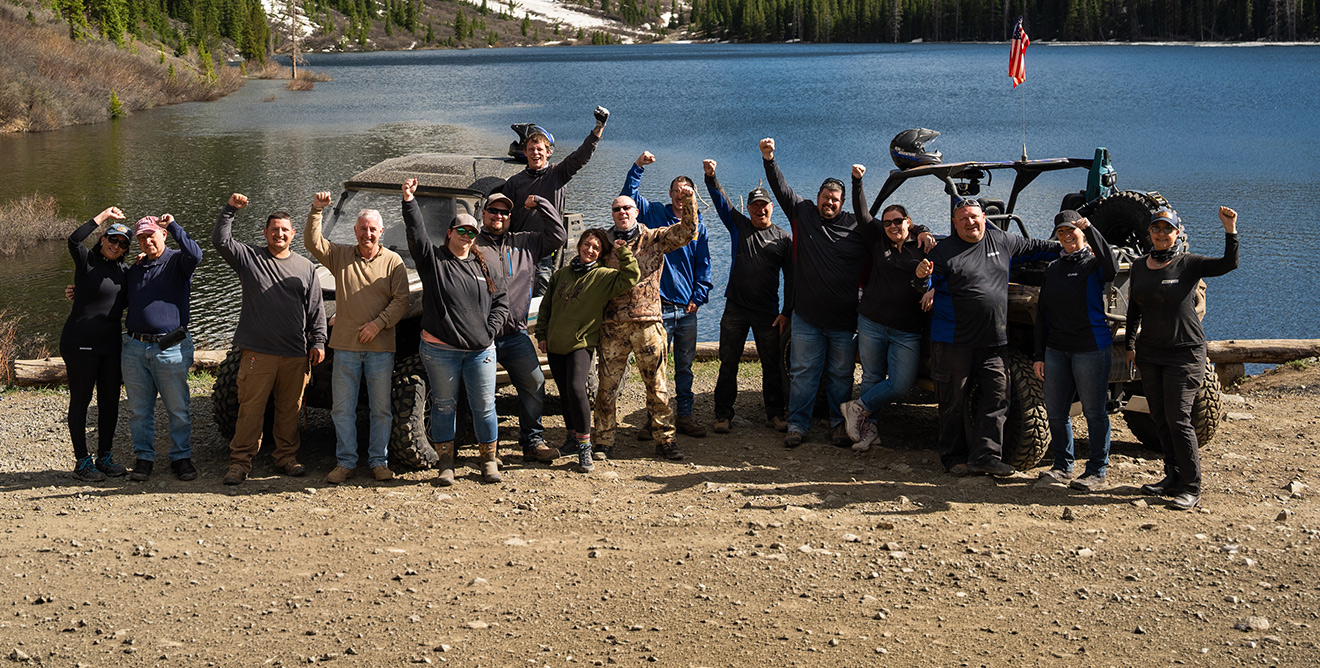
I liked the idea that this was an Abraham Lincoln quote, because he was awesome. But apparently it actually came from an English novelist, William Makepeace Thackeray, with whom I’m not familiar, but he deserves the credit.
I learned this after typing the quote and Lincoln’s name into my address bar, and Google AI corrected me and provided historical context. How simple is that? Zero-click search. Question. Answered. And with context.
I like that part of AI search. What I’m not crazy about are the challenges it’s created for our friends in the media and our clients who’ve grown accustomed to the old search-click agreement. (More on this topic in Lisa’s SPEC Insights below.)
Back to being good at whatever you choose to do, this spoke to me because of the evolution of many of our jobs. Spicer and I were telling Tyler some of our old “media relations war stories” over lunch recently. We had a good laugh about some of the horrible pitches we were saddled with as account coordinators at big agencies decades ago. (For the record, we only have awesome clients and awesome pitches these days.)
The conversation evolved to modern PR, and as Spicer put it so eloquently, “Pitching is not PR.” PR is controlling the story. Pitching and media relations are just one potential tactic. The job is shaping the narrative and supporting goals, often through creative storytelling. This can show up in a good pitch, a great speech, a compelling video, and across any medium that reaches an intended audience. Some of those tactics remain, but many of those fundamental mediums look nothing like they did when we started pitching.
So, whether you’re a writer who’s now a YouTuber, or you’re a PR pro who’s now a podcaster, whatever you are, be a good one. Identify and tell good stories. Be creative. And, as Lisa will explain further, make sure your name is attached to that story when it goes online, so you get the citation when AI delivers an answer but not a click. That has value and influence. Whatever you are, be a good one.
Thanks as always for reading, and I hope to see you outside sometime soon!
Van
Founding Partner, SPEC PR
Strategic, Pragmatic, Effective Communications
SPEC Insights
Converting from Clicks to Citations
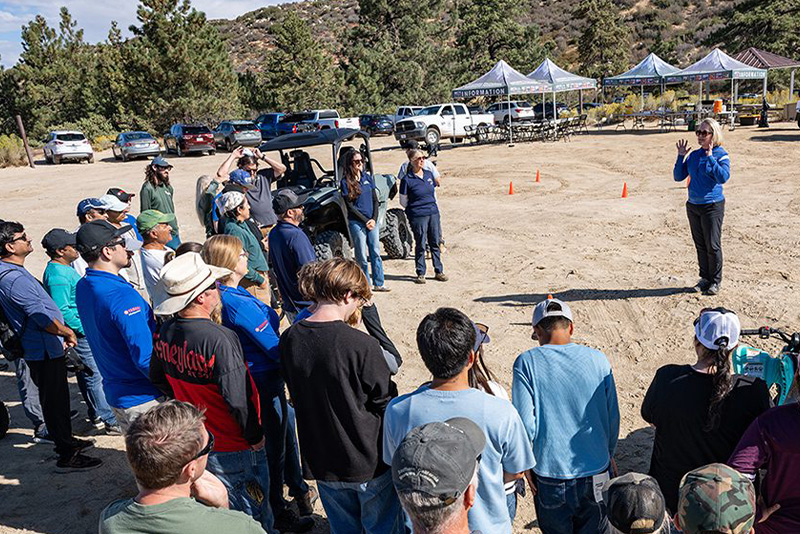
Google announced its structural change to Search at Google I/O 2026 last month, effectively upending the deal it had with the open web. Previously, publishers created content, and in exchange for their quality entertainment and expertise, they enjoyed organic (i.e., “free”) traffic sent from the greatest digital oracle the world has ever seen. Some leaned into this more than others, but all benefited from the symbiotic search-and-click. As of last month, Google’s latest evolution has, among other things, mortgaged its access to improve its position in the race to shape the future of information.
The reasons why Google shifted away from Search results links to AI-generated answers are compelling:
- AI Mode has passed 1 billion monthly active users
- AI Overviews now reach 2.5 billion users
- Approximately seven in ten searches end without a click to any website
Now, there is no opt-out for users, and publishers have to go to pretty drastic lengths to remove themselves from the equation. What does this new dynamic mean for public relations? The editorial outlets we’ve enjoyed working with our entire careers are under acute economic pressure. Journalists are rebranding themselves as content creators and migrating to newsletters, podcasts, video, and other independent platforms that give them more access to their audiences in an effort to gain some control over their compensation. Publishers, large and small, are caught in a pincer. Google’s AI search redesign is choking the free-traffic side of the model at the same time that economic pressure and subscription fatigue are capping the reader-revenue side.
While regulation is under consideration in the U.S. and Europe, those timelines don’t address the traffic losses occurring this year, and likely not even next year. The Reuters Institute and Chartbeat report that Google search traffic to publishers fell 33 percent globally in the year ending November 2025. When an AI Overview appears on a results page, the click-through rate for even the top-ranked result drops from roughly 7 percent to under 2 percent.
How will this latest Google evolution affect those click rates? Only time will tell, but it’s safe to assume we’re all coming to the same conclusion.
Not surprisingly, the solution is to work harder and smarter. The tactics align with media relations skills, as the components of a successful story angle are likely to catch the attention of AI platforms in the form of AI Citations. In effect, be the source AI turns to for generating its answers. Here is a recap — much of which will look familiar to you — of how AI platforms evaluate and leverage information:
Original data and research. AI systems synthesize; they cannot originate. Proprietary surveys, peer-reviewed studies, first-party program data, and verifiable statistics are the fuel for generative answers. If you own the numbers, you influence the answer.
Named expertise. Content attributed to credentialed, identifiable experts: an engineer, a program director, a record-holder, and professionals with a track record and authority. Sources that journalists once used to persuade readers now directly inform generative responses.
Structure and clarity. Direct answers to direct questions, clean headings, FAQ formats, and schema markup make content easy for AI systems to parse and attribute. Burying the lede has never been more costly.
Depth the summary can’t replace. Analysis, informed opinion, lived experience, and genuinely comprehensive resources give readers a reason to click through. In our opinion, this is where the outdoor recreation sector can shine, with storytellers that give AI systems sources worth naming.
Formats that resist summarization. Video, podcasts, interactive tools, and calculators can’t be fully flattened into a text answer. These formats favor the outdoors, pulling audiences and agents into personal POVs, rich visuals and shareable experiences.
Build channels Google can’t intermediate. While the regulatory landscape remains muddy, some publishers are taking matters into their own hands by blocking AI from their content. Some have enough leverage to make compensated access deals with AI platforms.
All this underscores the value of owning your audience. Email newsletters, podcast feeds, professional communities, and direct relationships with the journalists and creators your target consumer actually trusts don’t pass through Google’s front door. Their value rises every quarter that organic traffic falls.
The click economy rewarded volume. The citation economy rewards authority. It is a terrific opportunity to reframe the outdoor industry for the next generation of recreationists and enthusiasts.
Lisa
Founding Partner, SPEC PR
Strategic, Pragmatic, Effective Communications
Something to Do
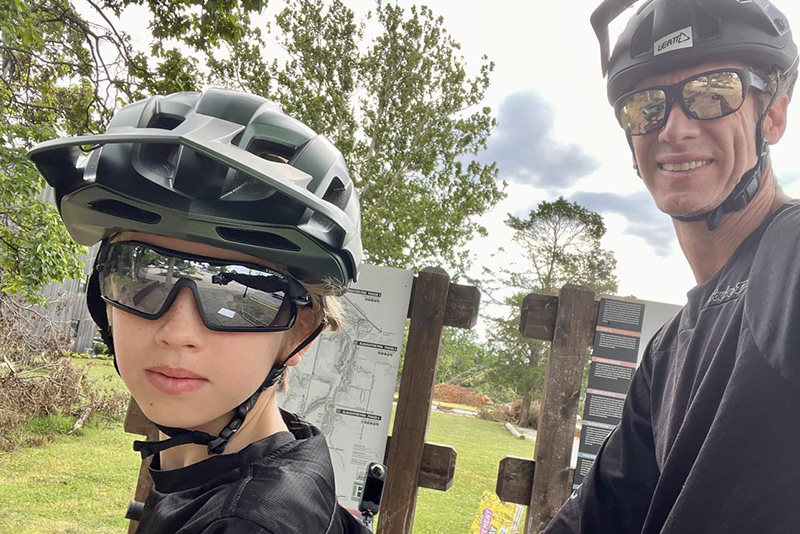
I’m still amazed at how cycling has grown in Northwest Arkansas over the past 10 years. People used to look at me funny when I said I was from Arkansas. “Where?” “Why?” But now, I typically don’t get a chance to mention the Natural State before someone tells me about the self-proclaimed Mountain Bike Capital of the World. “I just got back …” “I can’t wait to go …” “Have you been …” are much more common than “fly over state” references these days.
I take Ali and the kids back every year to “play in the dirt” on mom’s property and see the family and old friends. I’m especially excited to show the kids, one of whom has embraced the SoCal mountain bike scene, to check out Bentonville Bike Fest, now a huge cycling destination event that seemingly came out of nowhere a few years back.
If you’re into mountain bikes and you’re not already familiar, you should check it out. Meet me there next year, and we’ll go for a ride!
Van
Founding Partner, SPEC PR
Strategic, Pragmatic, Effective Communications
Something to Read
A fascinating look at the history of outdoor recreation brands and products, the Outdoor Recreation Archive Substack curates images from catalogues and campaigns going back decades, creating a rich resource for anyone interested in the evolution of design in our industry.
Speaking of Substack — we’d love to learn what you are subscribing to and, perhaps more importantly, actually reading there, or posting yourself. Send links by reply email that we should consider adding to our list.
Lisa
Founding Partner, SPEC PR
Strategic, Pragmatic, Effective Communications
Client Spotlight
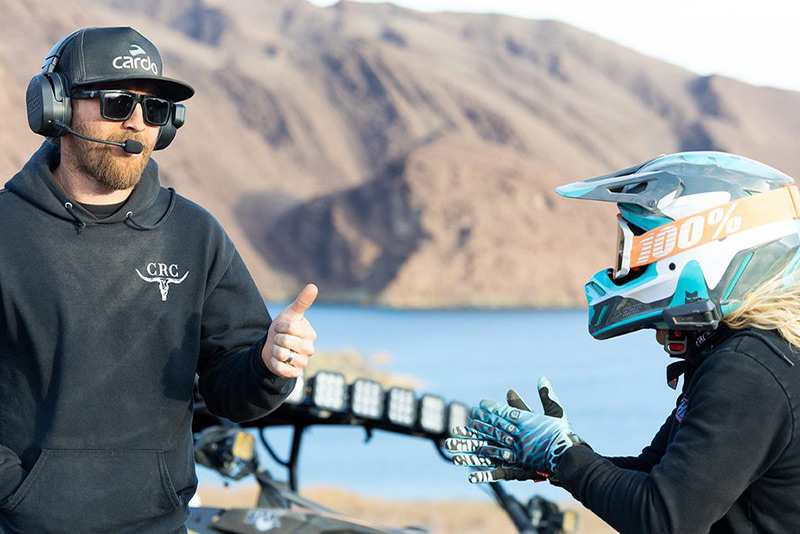
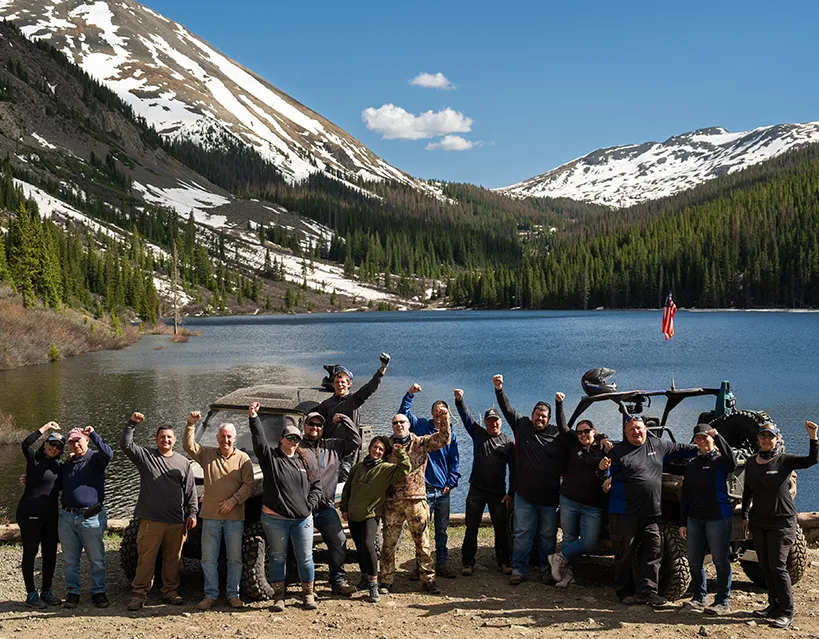
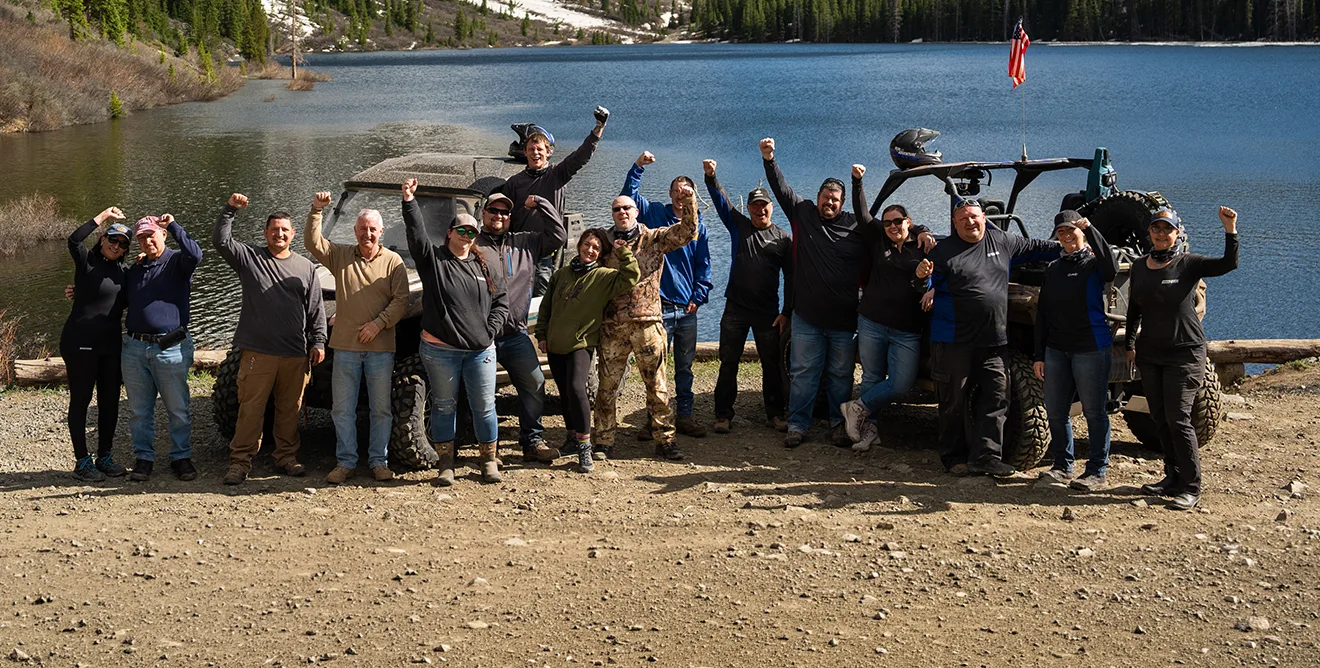
Our good friends at Cardo ORV recently teamed up with Tread Lightly! to add their support to the ongoing battles of off-road access and stewardship, while putting a spotlight on the importance of communication in education and conservation. Big applause for Cardo stepping up to protect access to public lands and support the future of off-road recreation. We look forward to getting our hands dirty with the Cardo ORV team soon on a Tread Lightly! project. Let us know if you’d like to come along.
https://dirtwheelsmag.com/cardo-systems-orv-and-tread-lightly-team-up-to-support-responsible-riding/
Van
Founding Partner, SPEC PR
Strategic, Pragmatic, Effective Communications
SPEC Tech
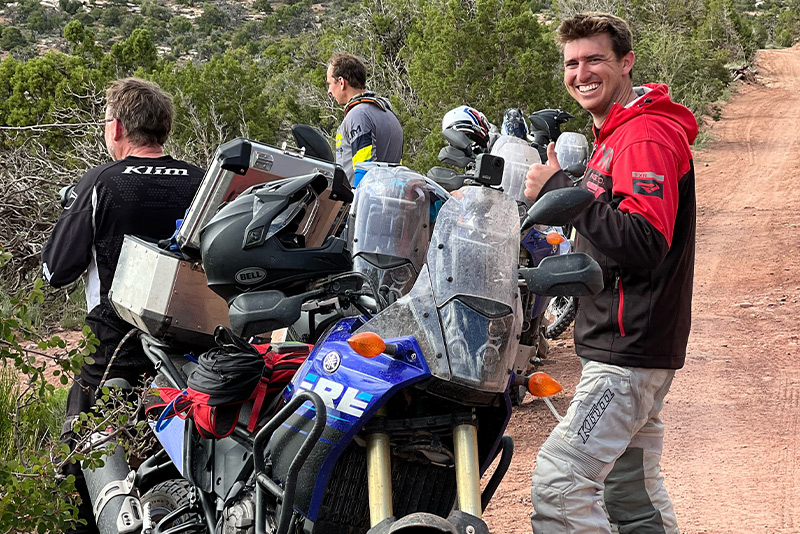
We’ve used onX Maps for years to help research, scout, and track off-road routes for ATV, Side-by-Side, and ADVs. With a (paid) subscription, you can save your favorite routes and even apply to contribute to the community. It’s a critical tool for us, and we expect if you’re looking for new trails to ride, you might want to check it out. And, give us a shout if you need help. Casey can give you a master class in trail research and mapping.
Van
Founding Partner, SPEC PR
Strategic, Pragmatic, Effective Communications