The SPEC Sheet: “Show Me the Incentive, and I’ll Show You the Outcome.”
May 15, 2026
Our team’s been hard at work this month traveling around the country. Last week Casey supported Yamaha’s BLU CRU Invitational in Oak Hill, Texas, to kick the month off, while Julie and I were out in Oregon to attend Yamaha’s Sport ATV media ride. This week Julie’s back on the road between Asheville and Greenville on the Arthritis Foundation Cycling Experience’s Carolina Hills Classic, while Van is in Florida meeting with our clients at Cardo Systems.
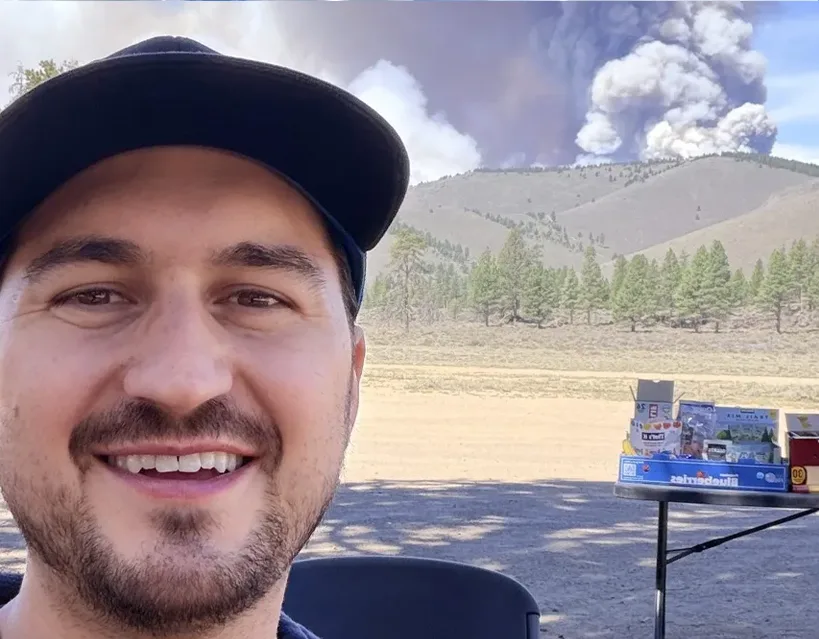
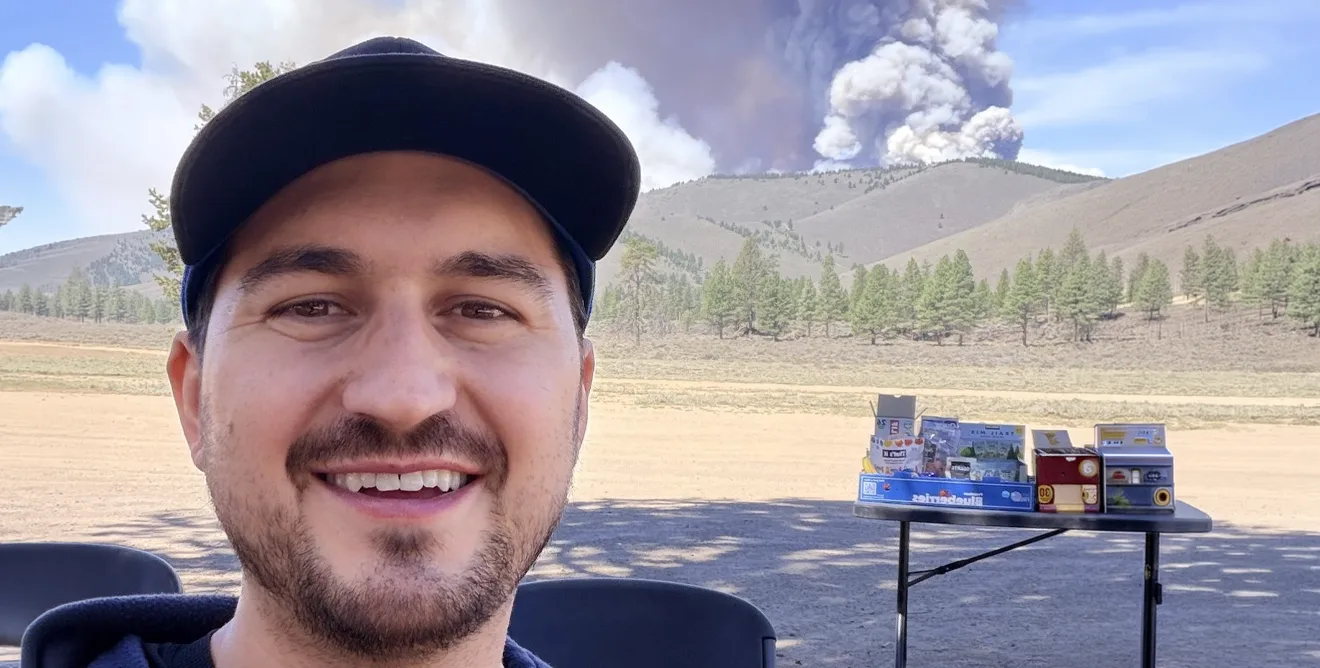
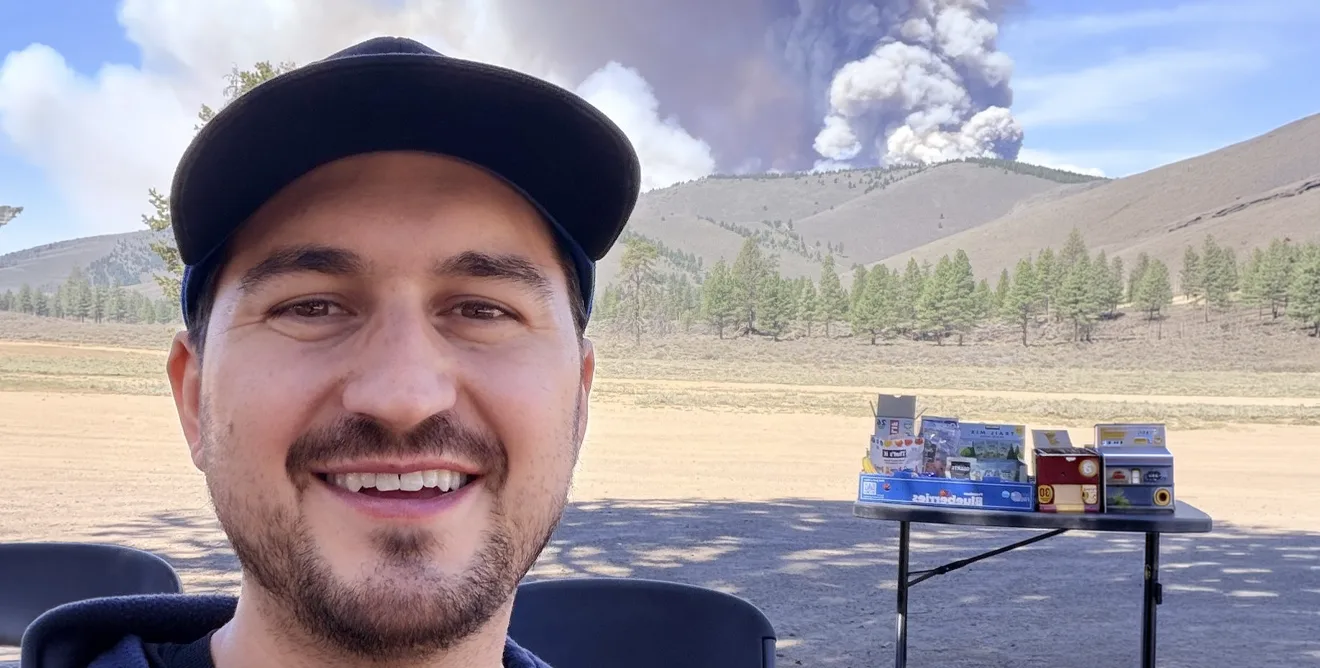
While Julie and I were out at the Sport ATV ride in East Fort Rock, Oregon, the Forest Service was conducting a prescribed burn that looked a little out of control with the high winds (pictured above). Everything turned out fine. We were unaffected, but it was important for us to assess the risk and have a plan if the winds shifted, literally. It felt like the perfect setup for this month’s newsletter.
This month’s quote is originally attributed to Charlie Munger, but it’s something I’ve been hearing from the co-founders of the Center for Human Technology, Tristan Harris and Aza Raskin. The Silicon Valley insiders have spent the last decade exposing how social media platforms created a more divided world of echo chambers and discourse through short-sighted profit-driven incentives to maximize engagement and attention above accuracy and authenticity. Now they’re blowing the whistle on the same profit-driven incentives of AI to assess the risk of where those incentives might lead us. If you’re like me, and have had some existential dread about what the future of AI holds, today’s newsletter is for you. Enjoy!
Tyler
Marketing Communications and Operations Manager, SPEC PR
Strategic, Pragmatic, Effective Communications
SPEC Insights
In our past newsletters, I’ve talked about the exciting promise AI offers to PR, marketing and journalism, but in response, we’ve also heard your concerns about AI and the real damage it’s doing to journalism and its effects in lost traffic, sponsorships and jobs that are already occurring.
When worrying about the future, it helps to look to lessons from the past. In a recent podcast, MIT Economist David Autor points to the history of Napster and the rise of music streaming as a potential framework for how creators and informational sources could eventually benefit and receive financial return from AI’s use of their data.
When Napster first launched, it took massive liberties with a copyright loophole. Music was copyrighted, but there was no law against someone sharing a CD they bought and owned with a friend, or in Napster’s case, millions of “friends” they’ve never met. While there was short-sighted benefit to users, it came at the cost to creators responsible for that content. Had Napster been allowed to continue as it did, the monetary incentive would have eventually disappeared, killing the music industry as we know it.
Now, we see AI companies using a similar loophole, where they claim information they’ve publicly scraped from the internet is fair use. That information may be “free” to access, but it’s only free because of ad revenue the traffic generates. Instead, AI is using that free information to plagiarize and repackage that content to redirect the traffic and revenue to itself. Just like Napster, should this practice be allowed to continue in its current form, AI will continue to put more journalists out of work, and could eventually kill journalism as we know it.
This is not meant to be a warning of impending doom. Napster, as you know, did not kill the music industry. Regulators stepped in to better define copyright law and rule Napster’s practices illegal. Digital music stores like iTunes took inspiration from Napster to offer the same per-song downloadable accessibility, and later music streaming services like Spotify offered its users convenience that paid per-use royalties to its creators.
Just like iTunes and Spotify, there is potential for AI companies to pay journalists back for the information they reference. AI companies are already making deals with major publishers like News Corp, The New York Times, and the Associated Press, paying to license their information. Google has also admitted that it’s possible to pay royalties on information when it’s referenced, but don’t think they’re obligated to, nor do they have incentive to do so.
The government can incentivize through regulation by further defining fair use and copyright laws to protect creators (if you’re patient enough to wait for that day to ever come). Alternatively, you can take matters into your own hands. Your information has real value and you have the power to negotiate that value with your audience, your sponsors and these AI companies.
You can, of course, paywall your content. You negotiate your value with your audience directly while also definitively blocking your content from being scraped by AI as a free source.
Alternatively, you can keep your free access while simply opting out of AI scraping for training data. You can do this by updating your website’s Robots.txt file to tell AI your content is off-limits. This is less of a guarantee, as it’s really only enforced by an honor system, but so far, the major players largely comply, and Google has confirmed that opting out of training data usage won’t block your site from search (the same doesn’t apply to the Google AI search overviews though).
Ultimately though, your greatest negotiating power comes from the unique content and perspective only your publication can provide. Major publications like the New York Times do not allow their content to be scraped by AI — unless they pay for the rights. And while you may not be the New York Times, we’ve seen that AI highly values authentic industry-expert opinions. You offer information or a perspective that may be worth it for them to license, or if you band together with fellow industry experts and black out that area of information from AI, they may have no choice than to buy it from you directly.
Tyler
Marketing Communications and Operations Manager, SPEC PR
Strategic, Pragmatic, Effective Communications
Something to Think About
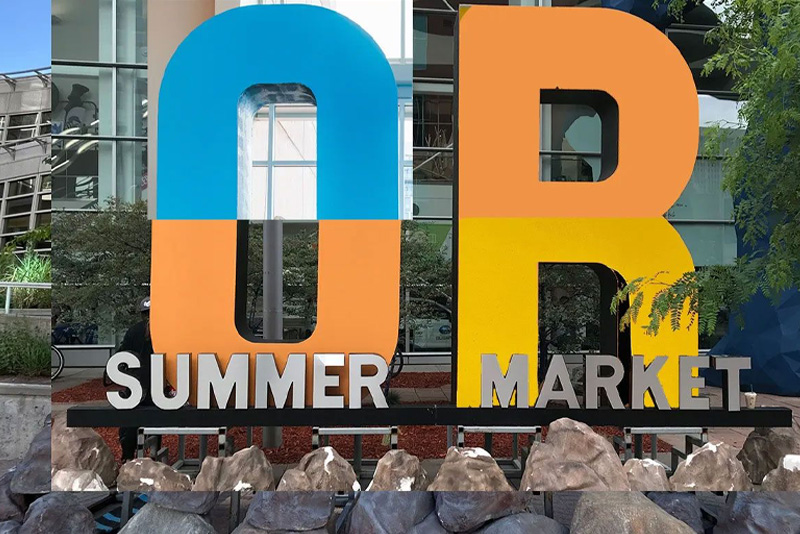
This week’s news of the acquisition of Outdoor Retailer by Apollo Global Management signals a growing interest in the outdoor recreation space by the non-endemic landscape. While this may mean a less “folksy,” grassroots sensibility, gaining access to the platforms and events backed by Apollo creates real opportunities for outdoor brands. Evolving beyond one-off events to the potential for year-round engagement is just the beginning. We will be keeping an eye on how this $1.5 billion transaction opens doors for our clients.
Lisa
Founding Partner, SPEC PR
Strategic, Pragmatic, Effective Communications
Something to Watch
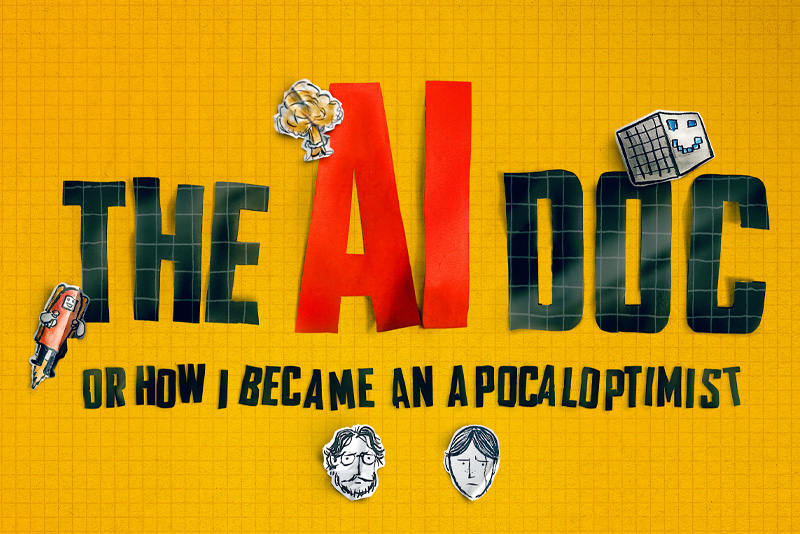
If you’re interested in learning more about the trajectory of AI, check out The AI Doc: Or How I Became an Apocaloptimist. Created by the team behind the Academy Award-winning film Everything Everywhere All at Once, the documentary explores AI technology’s existential threats and potential promises. The film features interviews from a wide range of tech and AI experts, including Sam Altman (Open AI), Dario and Daniella Amodei (Anthropic), and Demis Hassabis (Google DeepMind).
https://www.focusfeatures.com/the-ai-doc-or-how-i-became-an-apocaloptimist
Tyler
Marketing Communications and Operations Manager, SPEC PR
Strategic, Pragmatic, Effective Communications
Client Spotlight
Yamaha’s Outdoor Access Initiative Marks Major Milestone Heading Toward 20th Anniversary
The Yamaha Outdoor Access Initiative (OAI) closed Q4 2025 on a high note. The company’s long-running grant program dedicated to improving trail access and outdoor recreation infrastructure nationwide has awarded more than 575 grants and over $8 million in total funding since the program’s 2008 founding. Today, OAI is building momentum toward its 20th anniversary with an ambitious goal of reaching $10 million in total program funding awarded to trails, public lands, and riding areas across the country. The powersports industry’s leading land access program was recently recognized by national leadership at Yamaha Motorsports, USA with the 2026 President’s Award.
Since day one, the program’s reach and impact have been driven by dedicated behind-the-scenes support. The SPEC PR team has been there from the beginning, providing essential communications, program administration, and strategic guidance across every grant cycle. Through this work, the SPEC team has made valuable connections to leaders in public land management, outdoor recreation and, most importantly, the individuals on the ground devoting their time and energy to make improvements big and small for everyone’s benefit.
As the 20th anniversary approaches, the future of access to land for outdoor recreation has never looked brighter. We continue to be inspired by Yamaha’s commitment and riders’ dedication to this mission.
Lisa
Founding Partner, SPEC PR
Strategic, Pragmatic, Effective Communications
SPEC Tech
My latest experience at the Oak Hill BLU CRU Invitational reminded me the importance of having the right tools at a moment’s notice. The atmosphere at Oak Hill was exactly what you’d hope for from a spring motocross weekend in Texas. It’s a target-rich environment for content opportunities.
The best moments aren’t planned anymore. One second you’re shooting a table into a sharp left hander, and the next Carson Brown says, “Let’s do this skit and go rip around a YZ85.” When Carson Brown says he wants to shoot some content, you roll!
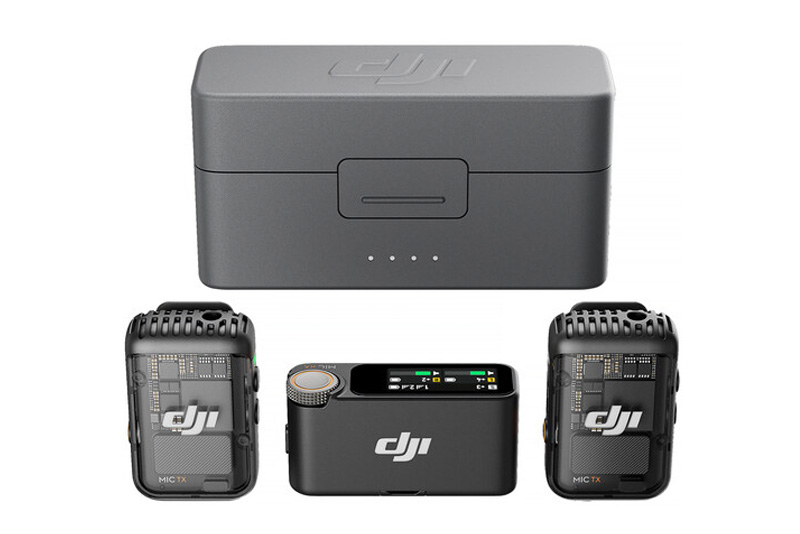
That’s exactly why tools like the DJI Wireless Mic setup still earn a permanent spot in my camera bag. No frills, no fuss, just working mics. And this isn’t a plug for DJI. This is a casual recommendation for those who have some kind of content background or work with a content team. It’s simple things like a compact and pocket-friendly mic setup, which has two wireless mics and a receiver packaged in a small sealed case, that take your content up three notches right from the get-go.
Getting the right audio leads to better storytelling. Better storytelling leads to better content. Better content leads to more views. More views lead to better brand awareness. Better brand awareness supports sales.
That’s what modern content production really comes down to: always being at the ready. In an always-on society where moments happen fast, having compact, adaptable tools within reach can be the difference between creating memorable content and watching the opportunity ride away.
Casey
Marketing Communications and Experiential Manager, SPEC PR
Strategic, Pragmatic, Effective Communications