The SPEC Sheet: “The First Rule of Fight Club Is: You Do Not Talk About Fight Club.”
August 15, 2026
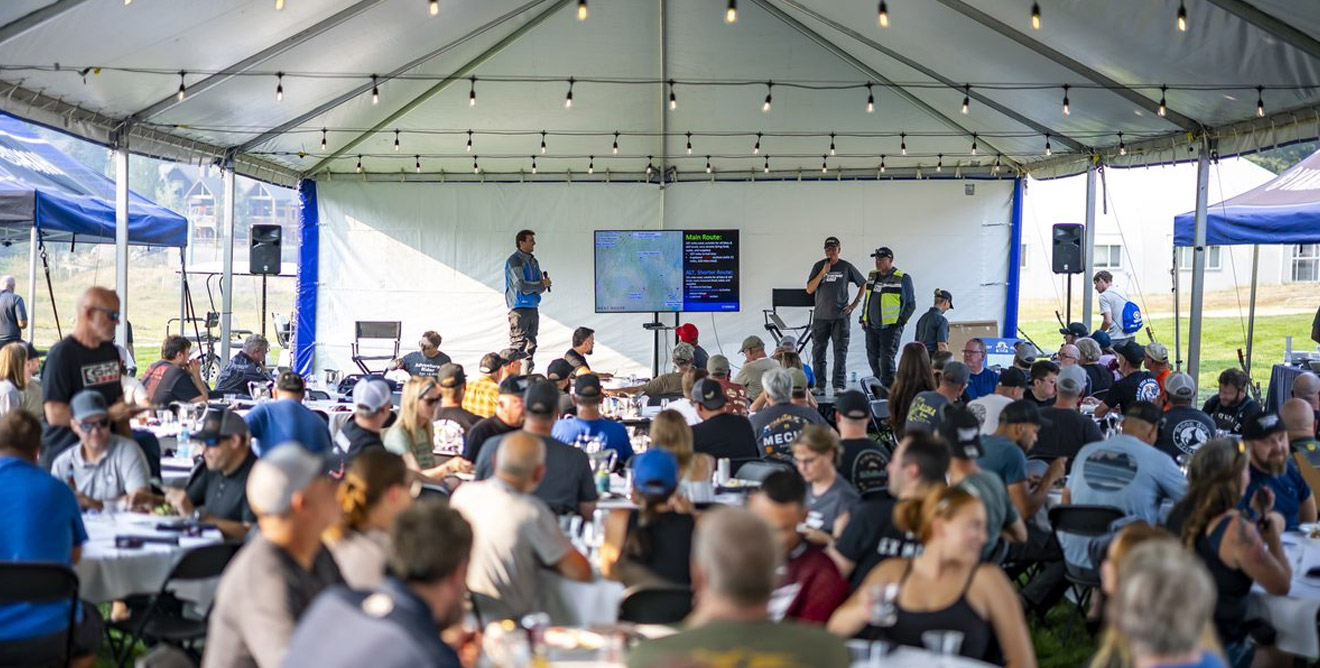
Most of our work is behind the scenes. It’s in the prep, the planning, the strategy, the messaging. It’s almost always confidential, until it’s not. And we typically don’t talk about it even after the dust settles, the stories run, and the social feeds are worn out. We take our credit in the next opportunity. That’s all we need.
But I have to take a minute to brag about our team here. Over the past month, we’ve planned and executed some large-scale efforts for clients. World firsts. Not hyperbole. Literally things that have never existed or been done before.
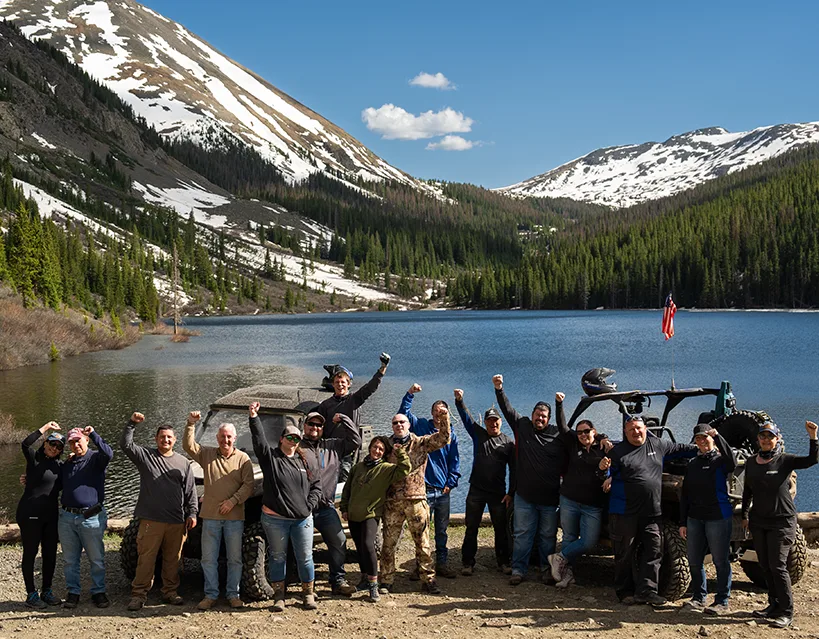
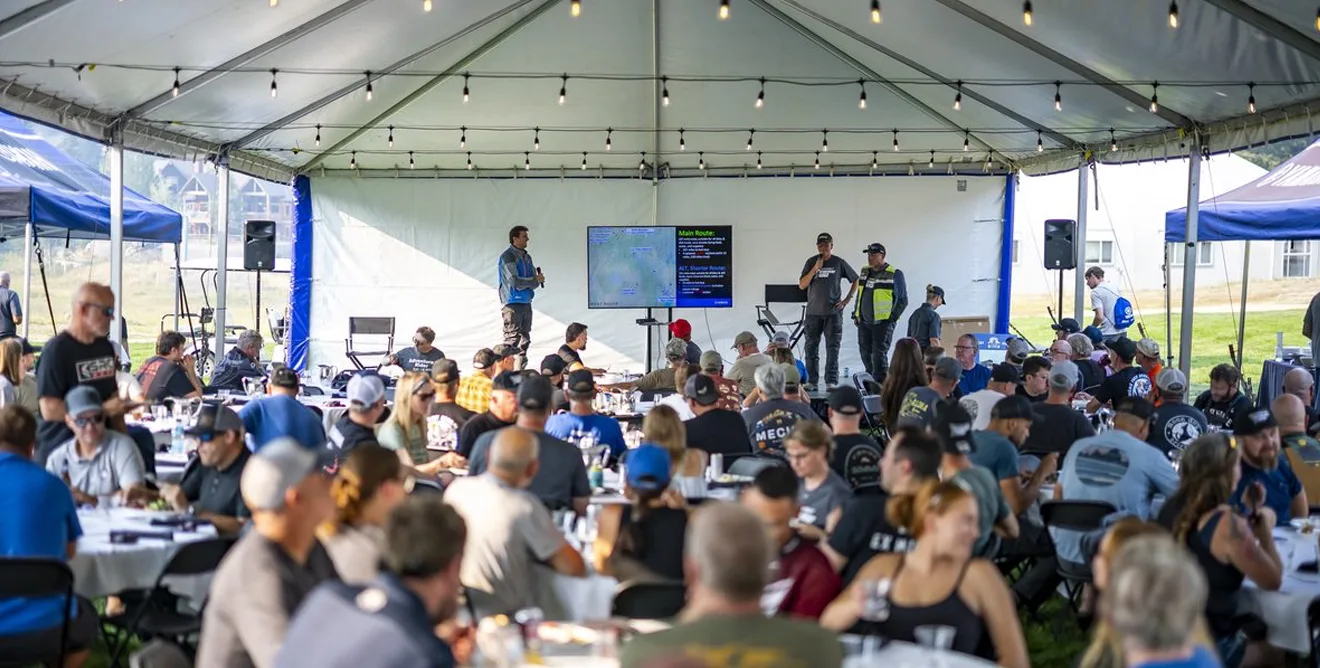
Yamaha’s first-ever Tenéré Trek and World Raid press intro ride were the first of their kind. Huge congratulations to Yamaha, and to our team, specifically Casey, Tyler, and Julie, who planned and executed key components of both aspects of this massive event. Huge thanks to our friends at Yamaha for the opportunity to contribute on such a high level to something so important. (And thanks again to Mr. Bama Grill Master for sharing a cabin and teaching me more tricks on the Camp Chefs.)
Even before Idaho, we worked hand-in-glove with Cardo’s ORV team to launch the world’s first off-road helmet with integrated comms. We pushed hard and fast to produce premium content and the first ATV/SxS media test opportunities. Big lift, huge team effort, including tapping some amazing partners. Congratulations and thanks to the Cardo team for including us on this massive priority.
Again, big thanks to the SPEC team for the effort and great work. I’ve heard countless thanks and praise from clients, media, partners, and others about the great work the team is doing. We don’t typically talk about the work we do, and we never look for recognition. But it’s great to hear, especially knowing how invested the team is in the work they do. You guys are awesome.
Now, it’s back to work!
Van
Founding Partner, SPEC PR
Strategic, Pragmatic, Effective Communications
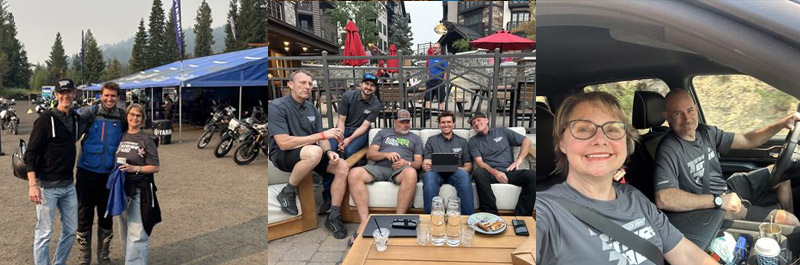
SPEC Insights
Last month we recommended reading Cision’s and Muck Rack’s 2026 State of PR. This month we’re taking a closer look at those findings and what they mean for us as PR professionals, our clients, and the journalists we work closely with. If you’ve been following this newsletter regularly, you know AI has been a major focus for us. That wasn’t our intention with this newsletter, but the technology has been a major disruptor across all our interconnected industries, and even when we’re trying to avoid it, AI’s presence continues to make itself known.
Thanks to its growing capabilities of automating tasks, PR professionals across the industry have reported being asked to do more, move faster, and prove their value in entirely new ways. AI has increased our capability to deliver greater volume at faster speeds, and identify new strategies. But on the other side, journalists are reporting a much different story. Newsrooms are shrinking while they receive more pitches and information than they can take in.
When professionals on all sides get overwhelmed by this overload, they fall back on one of the most fundamental pillars of our profession. Trust. When PR professionals and journalists have built trusting relationships with each other, it breaks through the overload. We at SPEC are no strangers to this, and this has been a key strategy for us long before the advent of AI. We invest heavily into building trust with our journalist friends, and we hear repeatedly in return that when you see our emails come through, you know it’s worth your time. This approach to PR is a growing trend — PR professionals are seeing less reliability in cold pitches while relationship-first outreach is generating more results.
Thought leadership has also seen significant growth in the past year. As AI has made it easier to produce high-volume content (often AI slop), consumers (and AI) demand authentic opinions, and they want them from people with real expertise. The most successful teams are those who find new ways to bring thought leadership forward from within — whether that’s a media outlet bringing on more enthusiast-experts or companies looking to elevate ideas throughout their ranks.
That authenticity drives GEO. We talked about it way back in our first newsletter, and now 80% of PR professionals are reporting that GEO is becoming a critical discipline. If you’re already doing good PR — earning credible coverage, publishing consistent thought leadership, building authority — you’re already doing most of what GEO requires. The key is consistency. You can’t turn the tap on and off. A steady flow of media engagement and owned content is what feeds AI discoverability.
Heading into the second half of 2026, it’s clear that the PR professionals and teams who thrive are those who use AI to handle process work so they can pour more energy into the irreplaceable parts of the job such as building relationships, developing strategy, and building trust. GEO measurement is still being figured out industry-wide, with 39% of professionals not measuring it at all yet, but the metrics are coming: AI brand mentions, LLM visibility tracking, referral traffic from AI tools, and expert citations. The profession is evolving fast, but the foundation remains the same. While the technology in how we do PR changes, trust and authenticity remain the most important pieces that keep our industry moving forward.
Tyler
Marketing Communications and Operations Manager, SPEC PR
Strategic, Pragmatic, Effective Communications
Something to Think About
Younger. Skewing slightly more male. More racially diverse. More likely to be involved in multiple sports and activities. America’s bicycle consumer is changing, says data from the biennial Physical Activity Council and PeopleForBikes Bicycling Participation Studies, which taken together provide reliable and actionable participation data and trends.
In addition to the demographic shift of a typical rider, the latest studies track a 4.6% drop in “committed” ridership, defined as people who ride more than 104 times per year. That segment is the lowest it’s been since the studies began in 2014.
“Casual” riders increased by 3.8% however, and overall, the ridership gains that resulted from the COVID-19 pandemic have continued to hold. Another bright spot is that youth participation increased by 9% for youth ages 3 to 9 and 15% for youth ages 10 to 17.
The key takeaway from these studies is that the opportunity space in the U.S. bicycle industry is no longer the enthusiast rider, but instead the casual or recreational rider. How is your brand positioned to adapt to these shifts, and how can SPEC help your success?
Julie
Lead Communicator, SPEC PR
Strategic, Pragmatic, Effective Communications
Something to Read
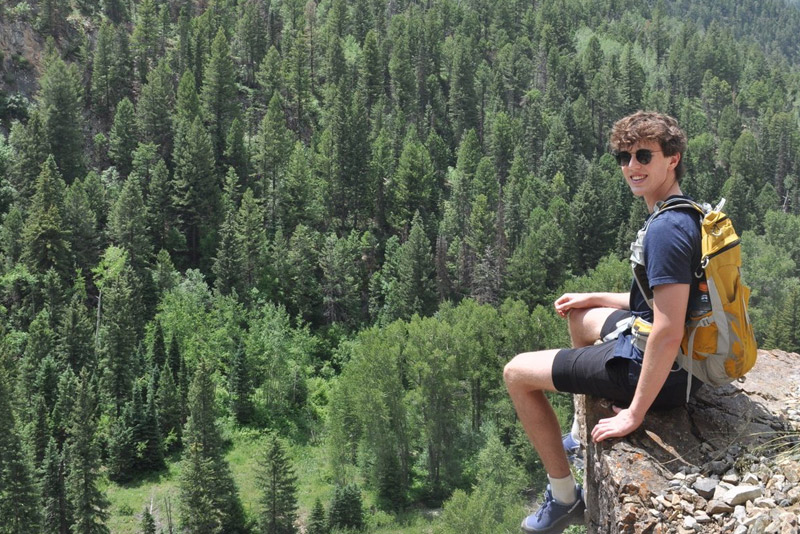
Summertime is internship season. For many folks in PR and marketing, an internship is a threshold to their career. It was for me. Wouldn’t be who and where I am if I hadn’t earned my spot at F-H (IYKYK). Tyler started here at SPEC as an intern (12 YEARS AGO), and now he practically runs the place. Internships are deeply meaningful to me; it is a delight to help out a developing professional. Interns take work to make it mutually beneficial, so we don’t have a regular cadence of them here at SPEC. However, this summer the stars aligned, and so we take this moment to introduce our 2026 intern, Christopher Baker, and give him a bit of space to talk about his experience.
Hello SPEC newsletter reader! My name is Christopher, and I am currently an intern with SPEC. As I look forward to my last year at UCLA, I am excited for my final moments as a student. However, especially now, I’ve become all too aware that classes can only teach you so much. Pursuing two degrees in communications and economics, my education begs the question, “What do you want to do?”
After only a few months this summer, my internship with SPEC has been the single most professionally formative experience I’ve had in college. In school, I’ve learned the theory behind markets and audiences. At SPEC, I’ve gotten to dive deep into the outdoor recreation community and learn how the specific market operates first-hand. I’ve learned how to communicate as part of a company, and I’ve learned how to work as a team with deadlines and clients. This internship, as with any internship, has given me the interpersonal and hands-on career skills to complete my educational foundation.
More than anything, my time with SPEC has introduced me to incredible people with diverse backgrounds in the industry. Especially in PR, internships like mine are the most fundamental piece of a student’s education, with many established professionals attributing a level of their success to their first internships. I’m grateful for SPEC as they’ve provided me with hands-on experience in PR and along the way helped me answer the question, “What do I want to do?”
Did an internship inspire your career path? We’d love to hear about it!
Lisa
Founding Partner, SPEC PR
Strategic, Pragmatic, Effective Communications
Something to Do
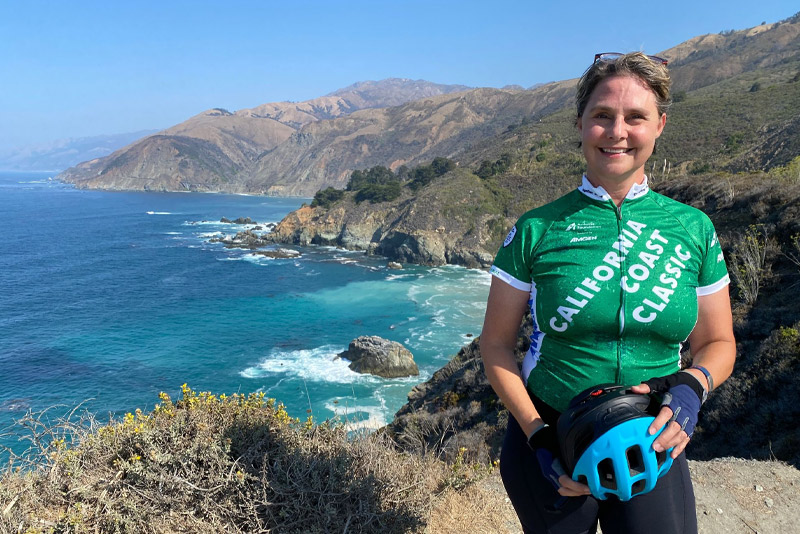
The 26th California Coast Classic is coming up September 26 – October 3. That’s right, eight days of cycling from San Francisco to Los Angeles. The biggest fundraising event of the year for the Arthritis Foundation.
Did you know that one in four people in the U.S. have some form of arthritis, and it’s the #1 cause of disability in the country?
This is worth paying attention to, and hits us hard in the beCause Marketing soft spot. Riding bikes and raising funds and awareness for a critical cause.
Two new opportunities to consider:
- Champions Ride options to join the first three days or last day. Can’t ride all eight days? No problem. Come be a Champion!
- Ride Your Way. That’s right. You can simply ride however you want … mountain bike, gravel bike, bike to the store, whatever. Sign up, and use your every-day ride as an opportunity to raise funds for the cause you’re most likely to need in the future.
Of course, we’d rather you just join us on tour. Julie and I will be there again. It’s become a tradition and annual bucket list. Email me directly if you’re interested, and maybe we’ll create a SPEC team and ride together!
Hope to see you there.
Van
Founding Partner, SPEC PR
Strategic, Pragmatic, Effective Communications
Pro Tip
Claude Will Now Mark Its AI-Generated Content (Disclosure: I had Claude help me with this piece)
Starting August 2, 2026, Anthropic’s Claude will automatically watermark generated text and attach machine-readable metadata to generated image files (.svg, .png, .jpg). This means the use of AI becomes more transparent and helps build the growing SOP for content authenticity.
Why it matters: Outdoor recreation audiences reward place-based, lived-in credibility. As AI-assisted content becomes more common, having a real, citable provenance standard is an opportunity to build trust, not some shameful practice to hide. It also gives comms teams a concrete answer when clients or journalists ask how AI fits into content production.
Something to think about: A digital watermark is evidence that AI was used — not how it was used. And, like this piece, if the content is heavily edited, the mark may have been rendered out. A mark doesn’t necessarily mean Claude originated the piece; it means it had a hand in it at some point.
I often use the phrase “Time is the coin of the realm.” We can only choose how we spend it, not if we do. We can all use more time. Working with intent and integrity is valued whatever the situation; AI can add a layer of efficiency to that effort.
What you should do now: Put together your disclosure language/policy. And make room and get used to adding it to anything AI might have touched or created out of whole cloth. AI is pervasive, so being apologetic about using it isn’t necessary — or really even appropriate — at this juncture. What is important is to set the stage for your audience. Be upfront and share how you are engaging AI tools for your and your audience’s benefit.
Here’s how Claude explained its new policy: https://support.claude.com/en/articles/16266773-how-claude-marks-ai-generated-content
Lisa
Founding Partner, SPEC PR
Strategic, Pragmatic, Effective Communications