The SPEC Sheet: “Lying Doesn’t Pay Off Anymore.” – Seth Godin
September 18, 2026
I’ve been reading Seth Godin’s “underground classic,” All Marketers are Liars Tell Stories. It’s a short and easy read, although, admittedly, I’m only just getting started, but from the gate drop, Godin speaks my language when explaining that storytelling is job #1.
He also claims it used to be easy (and effective) to tell stories that aren’t true, but (thankfully) those days are over. “It’s tempting to spin a tall tale about a piece of technology or a customer service policy, but once we see it in the wild, we talk about it and you wither away.” Everyone has too much information and shares it way too freely now. “… lying doesn’t pay off anymore.”
Thankfully in my experience I’ve had the privilege of working with great brands, products, and most importantly, great people, so honesty has honestly not been an issue. (Hyperbole? That’s another story. ;)
Just in the first chapter, Godin explains how we all tell ourselves stories, and when a brand can play into those stories and speak to the right people, then ultimately the customer will be telling your story for you. (It’s a process, to be sure, and I recommend reading the book to get the context.) A few of my underlined entries so far include:
- “Great stories are subtle …” and, therefore, “… the less a marketer spells out, the more powerful the story becomes.”
- “Great stories are rarely aimed at everyone.” and “If you need to water down your story to appeal to everyone, it will appeal to no one.”
- “And, most of all, great stories agree with our world-view.” and the best stories “… makes the members of the audience feel smart and secure when reminded how right they were in the first place.”
While there might be debate between what’s PR and what’s Marketing, I’ll agree with Godin that good storytelling is a thread that should pull through any internal and external communications, regardless of what department or agency delivers it. Grounded in truth and delivered with creativity, a great story is the only thing that cuts through the noise these days and is accepted and repeated.
To borrow from Godin again, “Here are the questions I hope you’ll ask: ‘What’s your story?’ ‘Will the people who need to hear this story believe it?’ ‘Is it true?’”
Our story is that we’re building a different kind of PR agency that provides high value to clients and is also a great place to work. The latter we must answer for ourselves, but I ask you for feedback on the former. Is our story true to you?
Thanks as always, and hope to see you soon!
Van
Founding Partner, SPEC PR
Strategic, Pragmatic, Effective Communications
SPEC Insights
We’ve had some recent questions from clients and media alike about how PR is measured. It’s tricky to answer, especially when it relates to ROI. In the perfect world of a marketing executive, they would know exactly how much profit their efforts generated for the company. But exact is an impossible ask of any branch of marketing, particularly in PR. Even if our media friends have affiliate marketing links in every article and social post, or if customers reported exactly why they made their decision, there’s plenty of other variables that would skew those measurements.
The reality is, there’s no golden metric that tells you what a news article or a social post is worth, because its worth is highly subjective. To a journalist, its worth the attention it received or how much ad revenue it generated; to a marketing executive it could be how many minds it changed or how many sales it inspired; to a reader it could be completely worthless if it’s something they don’t care about, or it could be priceless information that inspired a decision that changed their life for the better. So how do we show the value of our PR efforts?
We rigorously track, measure, analyze results, and report to the best of our ability and largely based on industry standards that we’ve evolved through a Strategic, Pragmatic, and Effective framework. Is it exact? No. Do we trust the process and evolve from key learnings? Always. And we’re always transparent about how we develop informed estimates built off a combination of imperfect KPIs (key performance indicators) that, together, provide context to how a campaign performed. Here’s a look at some of those imperfect KPIs PR uses, and why:
Reach/Impressions: This is the most direct way many PR professionals measure their results. A website with more unique monthly visitors, a magazine with more circulation, or social channels with more followers and subscribers should be worth more than those with less, right? That depends on your goals. If your target customer is “anyone,” the New York Times would be a great land. But if you want to reach someone more likely to buy your niche product, the NYT’s audience might not provide as much value as a small independent YouTuber who reviews products like yours, with a few thousand loyal subscribers.
Ad Equivalency: To accurately estimate the monetary value of content is impossible. But if a publication sells ads, we can at least estimate the value of equivalent ad placements through CPM or page ad rates. For example, if we land a 1-page story in a magazine, we can equate that to the cost of a 1-page ad. Anyone who’s opened a magazine knows the content of an article is far more influential than the ad next to it, but for the sake of clear quantifiable data, we lowball our estimate. (Not for nothing, we know other agencies will sometimes multiply the ad value x3 or more in their reports.)
Social KPIs: Social media gave marketers the most accurate audience data they’ve ever been offered. It went beyond the simple size of an audience to their actual activity and engagement. Likes, comments, shares and views give marketers a ton of valuable data. Early on, platforms like Facebook and Twitter freely shared their API, and marketing tools easily captured and reported those analytics. But through enshittification (see “Something to Read” below) once they got marketers hooked, they started locking that information down, requiring us to either spend ridiculous amounts of time to capture that data manually; or money on SaaS companies who pay the exorbitant entry fee to access and analyze that information. It’s become so walled off, marketers now have to consider the ROI of paying for this KPI.
Share-of-Voice: What makes niche media valuable is their authentic expertise in their subject. It’s what attracts their audience. But when they’re working with your brand, they’re probably working with your competitors as well. Share-of-Voice provides insight into how much they (and every other media outlet you’re working with) are talking about your brand or your competitors. But it doesn’t provide great insight into how your brand or your competitors are being discussed.
Key Message Pull-Through: Going beyond quantitative data, we can measure how well the messages we want to communicate are validated through our media partners. This is not an easy KPI to measure because it requires individual detailed analysis of every piece of content a campaign generates. However, through AI tools, we can now analyze content at both an individual level and at scale to identify key messages a story focused on, and how closely they reflect our own intended messages.
AI Optimization (AEO/GEO): A new KPI emerging today is measuring how AI is sourcing information and delivering answers back to users, similar to how SEO impacted search engine results (learn more about it from our very first newsletter). This is still a new area of focus for PR, and there’s no definitive measurement tool to report this as AI caters answers differently for every user and how it sources information is changing rapidly (even old strategies of influencing AI training data are becoming obsolete as agentic bots are now being tasked with scraping the internet for live, up-to-date information with each search).
Fixating on any particular KPI doesn’t drive success, and these metrics aren’t necessarily how PR will always be measured as the media landscape continues to evolve. Approaching PR with the goal of only maximizing reach or trying to put a monetary value on content misses the purpose and intention of PR. PR is about managing the relationship between a brand and the people whose opinions matter to it. Trying to gauge that through a single KPI is like measuring a friendship on how often you hang out. It’s a valuable indicator, but it doesn’t tell the whole story. By looking at these imperfect measurements together through the SPEC framework, we start to get a much better idea of how our messages influence people and their opinions.
Tyler
Marketing Communications and Operations Manager, SPEC PR
Strategic, Pragmatic, Effective Communications
Something to Think About
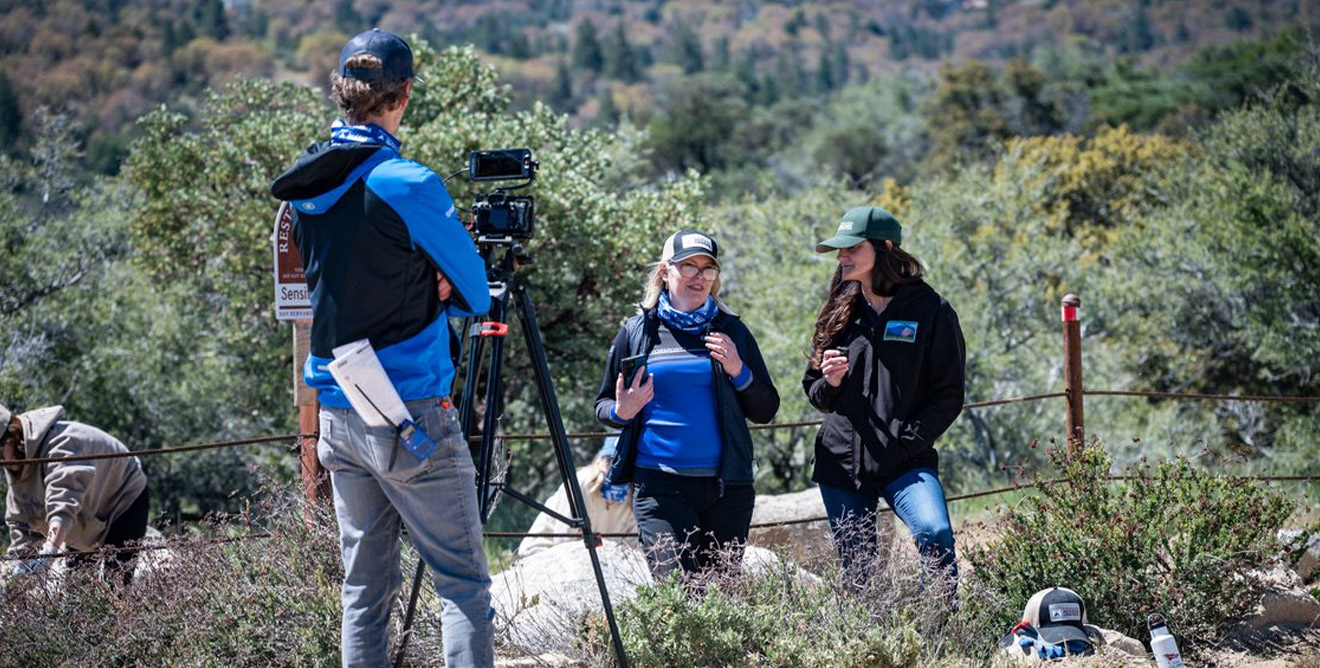
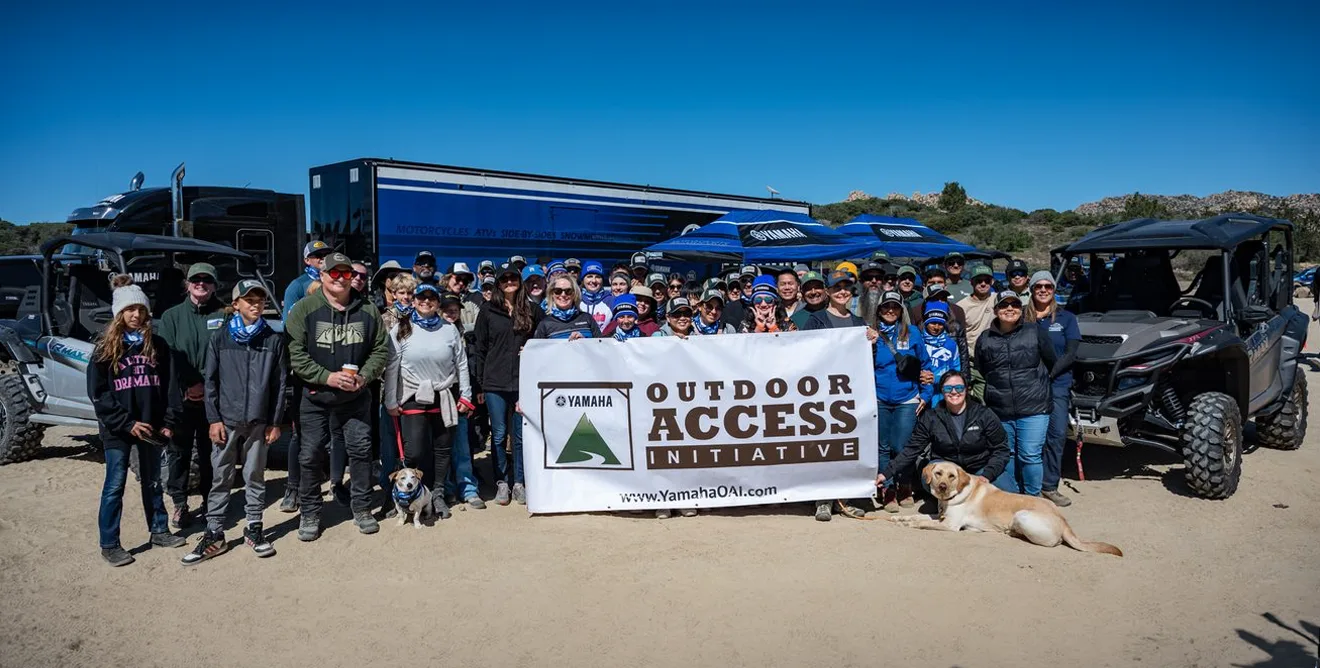
Not sure how we got to September, but here we are in pumpkin spice season and buying Halloween decor. Before we all run into Autumn, I’d like to take a moment to reflect on a day in September that holds a lot of meaning for me personally. National Public Lands Day falls on the fourth Saturday each year since 1994 and this year it falls on September 26th. Managing the Yamaha Outdoor Access Initiative requires me to expend a lot of time and energy thinking about the value, beauty and complexity of America’s natural spaces. I’ve had the privilege of hosting and staffing events here in California and I (Van can tell you) get emotional every damn time. It’s one day to honor our ability to access some of the most incredible land anywhere with care and stewardship. The enormity of the gift of the outdoors will never not be overwhelming to me and I am grateful to the people who commit their time and attention to nurture these places. The need for it is infinite. I have a rare perspective of engaging with people every day who understand that and lean in where and when they can. They have my admiration.
If you are reading this, in all likelihood, some important part of your life requires access to natural, and likely, public lands. If this serves as a reminder about National Public Lands Day, I will consider writing it time well spent. If you are inspired to actively celebrate, consider joining one of the 990 events across the country that last year drew more than 55,000 volunteers.
Now, somebody get me a tissue …
Lisa
Founding Partner, SPEC PR
Strategic, Pragmatic, Effective Communications
Something to Read
Maybe it’s just my nostalgia, but it seems the general consensus is that the internet has gotten noticeably worse in the last decade or two as the wild west it once was has been tamed by a few companies who promised to better our digital lives, but are now rapidly consolidated to monopolize our attention and personal data.
- Google has made its search intentionally less reliable but just enough to get you to make a couple more searches in order to show you more ads.
- Facebook lured the masses on the promise of connecting friends and family, only to limit that content from you and sell your attention back to the highest bidder.
- Amazon routinely takes a loss to put competitor e-commerce sites out of business before raising their prices higher than before.
- Uber has decoupled their payment system to systematically calculate the highest price you’re willing to pay, while simultaneously offering your driver the lowest price they’re willing to accept.
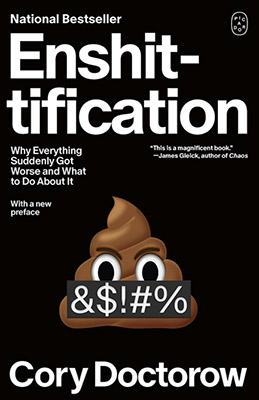
Author, Journalist and Technology Activist, Cory Doctorow describes this trend as “Enshittification” — a process where online platforms and digital services create dependence before extracting as much money and data from you as possible. In his book of the same name, he explains how and why we got here and what steps we need to take as individuals and as a society to hold these companies accountable so that individuals and small businesses can take their digital lives back into their own hands.
Tyler
Marketing Communications and Operations Manager, SPEC PR
Strategic, Pragmatic, Effective Communications
Client Spotlight
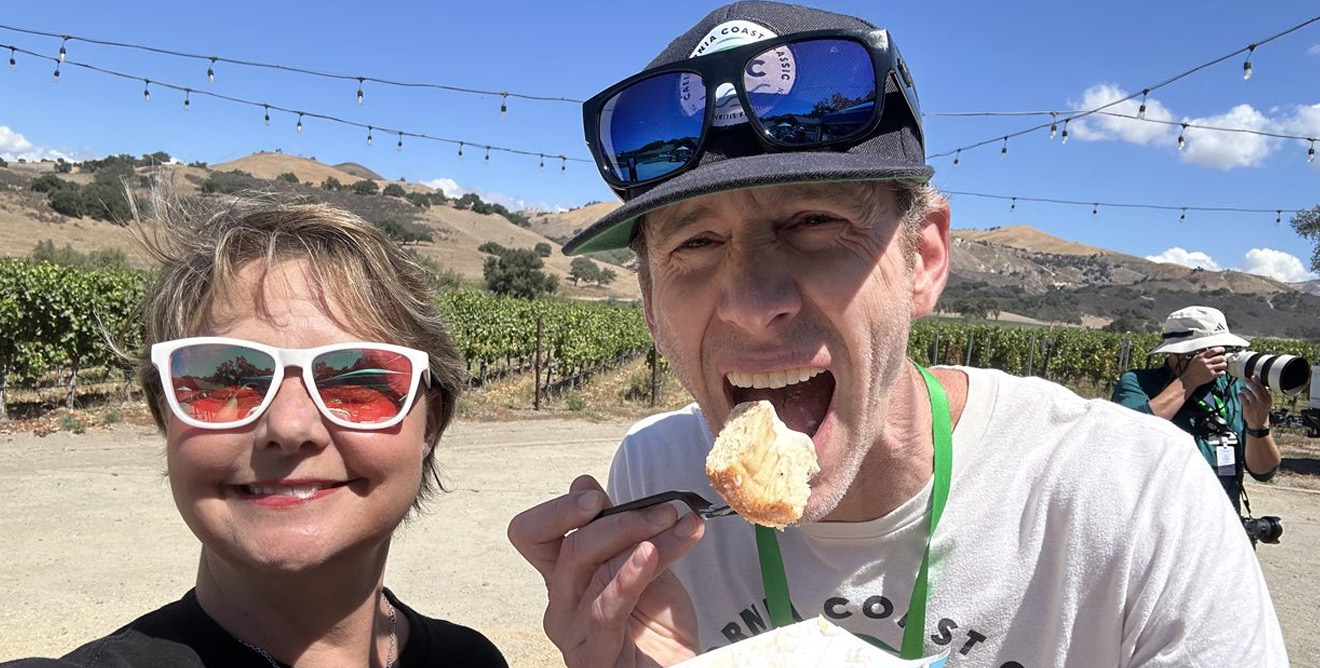
Julie and I are headed back to the California Coast Classic next week. It’s the 26th running of the annual fundraiser bike tour that will host riders from San Francisco to Los Angeles over eight days and 500+ miles. It’s nicknamed, “The Ride of a Lifetime,” for good reason, and an annual favorite staffing assignment.
Follow along, find a rider or team you can support, and drop them a donation: https://www.instagram.com/arthritisfoundationcycling/. Funds raised help the Arthritis Foundation’s work to support the 60 million in the U.S. with arthritis. I’m one, and I bet many of you are as well.
Or, better yet, sign up for one of the rides next year, either in the Carolinas or California, or just sign up to Ride Your Way anytime, anywhere. Come on over, and we’ll pedal the canyons!
Van
Founding Partner, SPEC PR
Strategic, Pragmatic, Effective Communications
Pro Tip

If you like motorcycles in your garage and coffee in your cup, then check out Hard Knocks Moto coffee from our buddy, Allan Lane. Allan sent us a massive bag of “Less Bitching More Riding” Biker Blend Dark Roast for the Tenéré Trek last month. Now, that’s a story we can get behind!
The multitalented, multifaceted Mr. Lane is also back in the studio. Check out his work and give him a follow! https://www.instagram.com/allanlanestudio/
Van
Founding Partner, SPEC PR
Strategic, Pragmatic, Effective Communications